Product returns are one of the biggest headaches for any e-commerce business. They eat into profits, create logistical nightmares, and can signal customer dissatisfaction. While online shopping offers incredible convenience, it has one major drawback: customers can’t physically touch or inspect the product. This creates an “expectation vs. reality” gap that is a leading cause of returns.
The good news? High-quality 3D product rendering is closing that gap for good. By giving your customers a clearer, more accurate, and more engaging view of your products, you can significantly reduce your return rate. Here’s how.
1. They Provide Unmatched Product Clarity
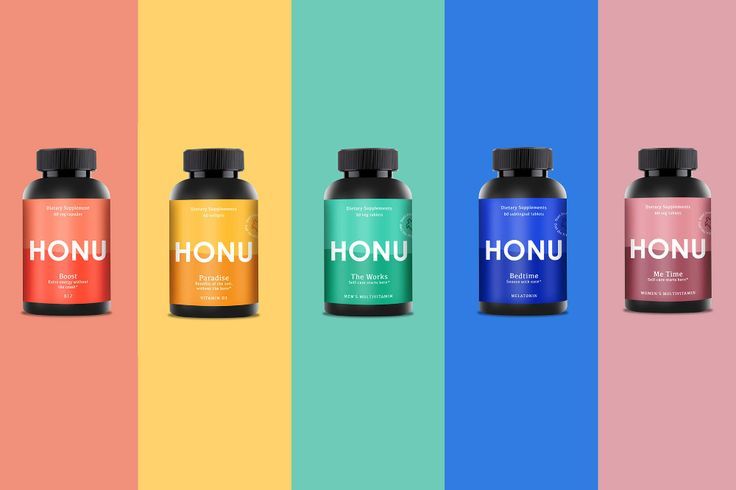
The most common reason for returns is that the product “didn’t look like the pictures.” Static photos, no matter how professional, can fail to capture the true texture, color, and details of a product. 3D renders, on the other hand, create a true-to-life digital twin of your item. This dramatically minimizes misunderstandings about product specifications, from how a garment’s fabric will drape to the precise finish on an electronic device.
2. Interactive 360° Views Build Confidence
A 3D render allows for a 360-degree product view, giving customers the power to inspect an item from every angle. This interactive experience mimics the act of picking up a product in a physical store. When a customer can spin, flip, and zoom in on a product, they eliminate uncertainty and feel more confident in their decision to buy. This confidence is a powerful antidote to buyer’s remorse and the returns that follow.
3. Augmented Reality (AR) Shows Products in the Customer’s Space
One of the biggest challenges of online shopping, especially for furniture and home decor, is visualizing scale. Will that sofa actually fit in my living room? Does that piece of art match my wall color? 3D models power Augmented Reality (AR) experiences that allow customers to place a virtual version of your product in their own environment. Surveys show that a vast majority of buyers feel more confident in a purchase when they can trial it in 3D and AR first. When a customer knows for a fact that a product will fit perfectly, the likelihood of a return plummets.
4. Animation Clearly Explains Complex Features
If your product has unique features, moving parts, or a specific assembly process, a static image or a wall of text is often not enough to explain it. 3D animation can bring your product to life, demonstrating its functionality in a short, engaging video. This helps customers understand exactly how a product works before they buy it, preventing returns from those who found it “too complicated” or “not what I thought it did.”
5. Enhanced Customer Satisfaction Leads to Fewer Returns
Ultimately, 3D visualization creates a better, more fun, and more informative shopping experience. When customers are happy and feel like a brand has been transparent and helpful, they are far more likely to be satisfied with their purchase. This satisfaction not only reduces returns but also builds brand loyalty. Retailers who have adopted 3D technology have seen return rates decrease by as much as 40%.
By investing in 3D product rendering, you’re not just buying better images; you’re investing in customer confidence and a healthier bottom line.
